Archives
- 2026-11
- 2026-10
- 2026-09
- 2026-08
- 2026-07
- 2026-06
- 2026-05
- 2026-04
- 2026-03
- 2026-02
- 2026-01
- 2025-12
- 2025-11
- 2025-10
- 2025-09
- 2025-03
- 2025-02
- 2025-01
- 2024-12
- 2024-11
- 2024-10
- 2024-09
- 2024-08
- 2024-07
- 2024-06
- 2024-05
- 2024-04
- 2024-03
- 2024-02
- 2024-01
- 2023-12
- 2023-11
- 2023-10
- 2023-09
- 2023-08
- 2023-07
- 2023-06
- 2023-05
- 2023-04
- 2023-03
- 2023-02
- 2023-01
- 2022-12
- 2022-11
- 2022-10
- 2022-09
- 2022-08
- 2022-07
- 2022-06
- 2022-05
- 2022-04
- 2022-03
- 2022-02
- 2022-01
The main consequence of glucose
2022-01-03
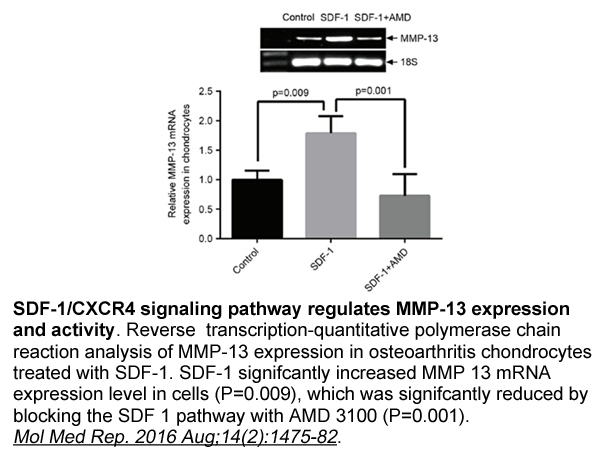
The main consequence of glucose catabolism is the elevation of ATP concentration, which in turn suppresses the ATP sensitive potassium (KATP) channels gating function. The KATP channels are octamers composed of the tetrameric inward-rectifying potassium channels (with Kir6.1 and Kir6.2 subunits), th
Aberrant expression of HKII may be a
2022-01-03
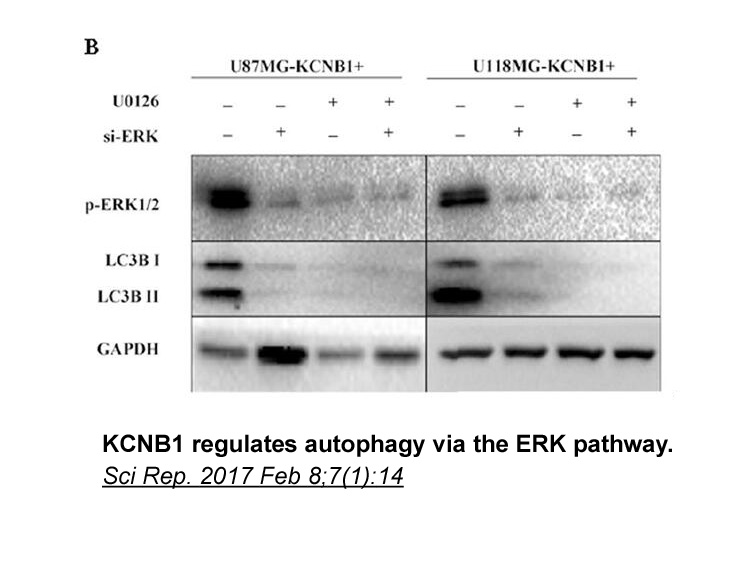
Aberrant expression of HKII may be a required feature for cancer development and progression. Overexpression of HKII has been reported in tumor tissues of cancer patients with liver [9], ovary [8], [24] and larynx [25]. The clinical significance of HKII in cancer was noted as overexpression of HKII
Apigenin trihydroxyflavone a natural plant flavone is a bioa
2022-01-03
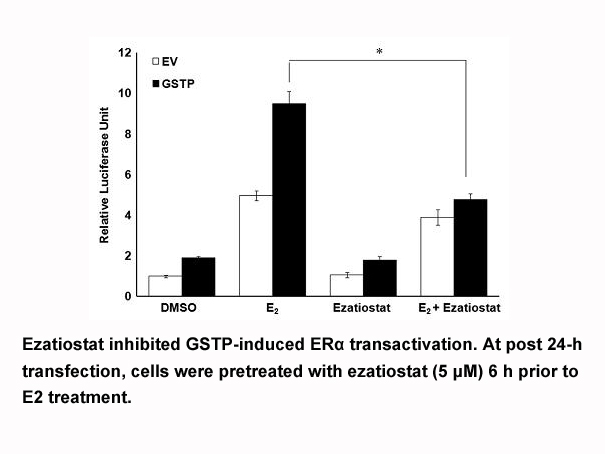
Apigenin (4′, 5, 7-trihydroxyflavone), a natural plant flavone, is a bioactive compound present in a variety of fruits, vegetables, and medicinal plants, and its various beneficial biological activities have been reviewed (Zhou et al., 2017), including HIF-1α inhibition-mediated anti-tumor. Recently
In this investigation the NlVg relative transcript level was
2022-01-03
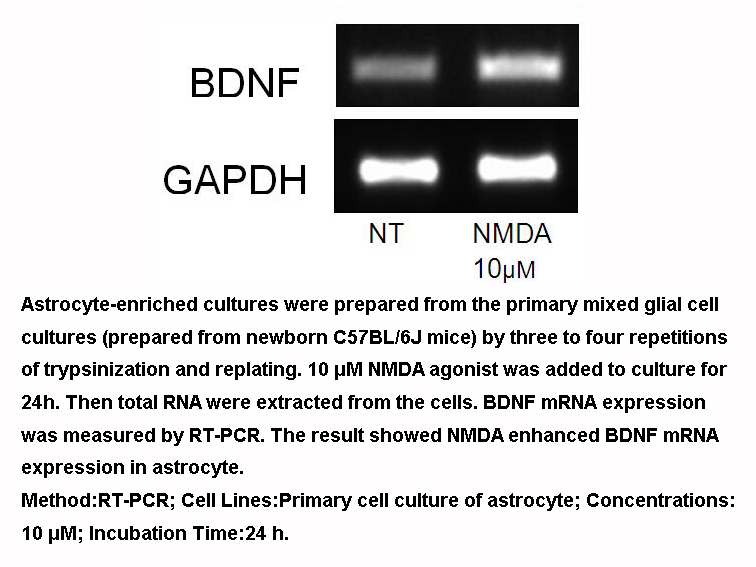
In this investigation, the NlVg relative transcript level was also prompted by 1.3-fold compared to the untreated control in the TZP treatment, while there was a slight increase of 13.6% for NlVgR (Fig. 7A and B). One underlying molecular mechanism for the TZP-induced fecundity is the significant up
8704 records 581/581 page Previous First page 上5页 581