Archives
- 2026-08
- 2026-07
- 2026-06
- 2026-05
- 2026-04
- 2026-03
- 2026-02
- 2026-01
- 2025-12
- 2025-11
- 2025-10
- 2025-09
- 2025-03
- 2025-02
- 2025-01
- 2024-12
- 2024-11
- 2024-10
- 2024-09
- 2024-08
- 2024-07
- 2024-06
- 2024-05
- 2024-04
- 2024-03
- 2024-02
- 2024-01
- 2023-12
- 2023-11
- 2023-10
- 2023-09
- 2023-08
- 2023-07
- 2023-06
- 2023-05
- 2023-04
- 2023-03
- 2023-02
- 2023-01
- 2022-12
- 2022-11
- 2022-10
- 2022-09
- 2022-08
- 2022-07
- 2022-06
- 2022-05
- 2022-04
- 2022-03
- 2022-02
- 2022-01
- 2021-12
- 2021-11
- 2021-10
- 2021-09
- 2021-08
- 2021-07
- 2021-06
- 2021-05
- 2021-04
- 2021-03
- 2021-02
- 2021-01
- 2020-12
- 2020-11
- 2020-10
- 2020-09
- 2020-08
- 2020-07
- 2020-06
- 2020-05
- 2020-04
- 2020-03
- 2020-02
- 2020-01
- 2019-12
- 2019-11
- 2019-10
- 2019-09
- 2019-08
- 2019-07
- 2019-06
- 2019-05
- 2019-04
- 2018-07
-
The effect of the selected compounds on NF kB transrepressio
2021-12-15
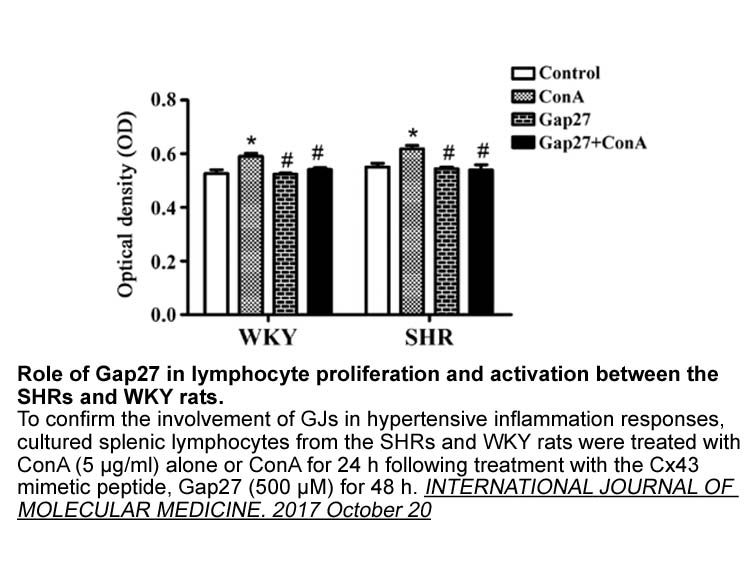
The effect of the selected compounds on NF-kB transrepression was assessed using the well-studied HeLa B2 cell line that expresses endogenous GR and NF-kB family members and responds properly to glucocorticoids and pro-inflammatory cytokines (such as TNF). Our data revealed that the two hit compound
-
br Conclusion br Acknowledgment This study was supported by
2021-12-15
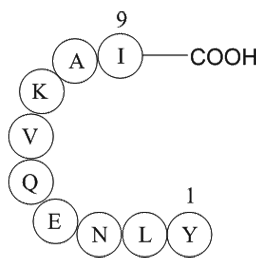
Conclusion Acknowledgment This study was supported by grants from the Excellence Initiative of the German federal and state governments, the Else Kröner-Fresenius Foundation and the German Society for Cardiology (DGK) to F.K. and grants from the Deutsche Forschungsgemeinschaft (SFB TRR 219 M-0
-
Two pathways have emerged to explain the beneficial metaboli
2021-12-15
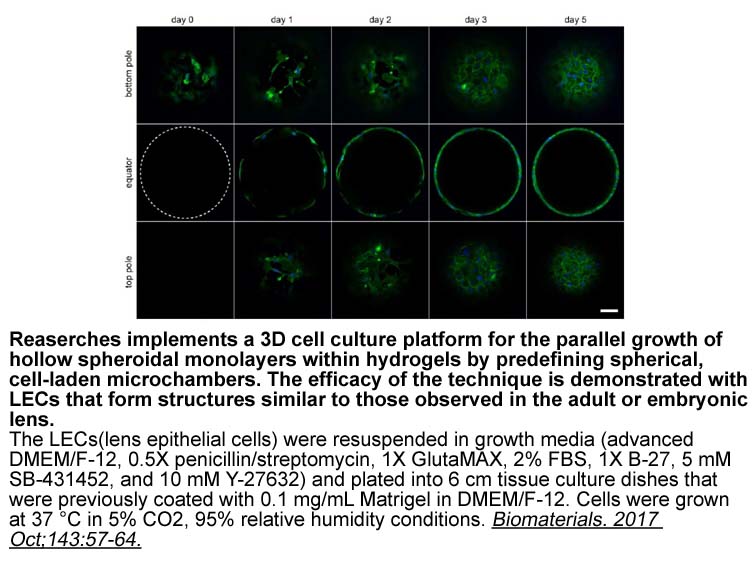
Two pathways have emerged to explain the beneficial metabolic effect of Roux-en-Y bypass [Fig. 3]. Firstly, the rapid delivery of nutrients to the distal small intestine and bowel might up-regulate secretion of a physiological stimulus that improves glucose homeostasis. As such, GLP-1 represents an
-
This study compared PMS ascorbate and t BHP
2021-12-15
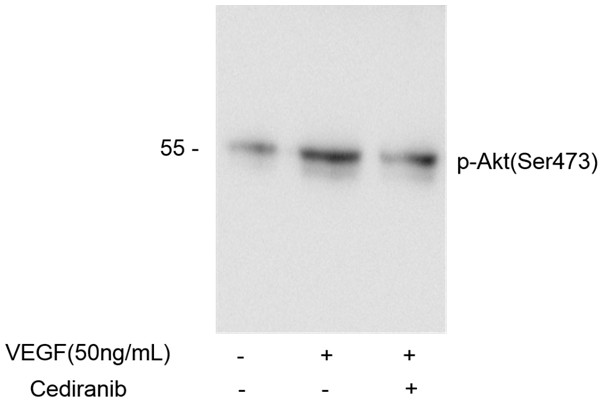
This study compared PMS+ascorbate and t-BHP in terms of their effects on the volume-dependent parameters of normal human RBCs. Incubation with both oxidative systems resulted in the RBC density and osmotic resistance distribution shifts. Clotrimazole or Са2+ added into the medium, as well as high ex
-
A second site of histone core domain acetylation that that
2021-12-14
A second site of histone core domain acetylation that that has been observed on newly synthesized histones is histone H4 lysine 91 [34]. H4 lysine 91 lies along the interface between the H3/H4 tetramer and the H2A/H2B dimers. In fact, H4 lysine 91 normally forms a salt bridge with an aspartic SC7574
-
The therapeutic potential of acetate has been advocated by
2021-12-14
The therapeutic potential of acetate has been advocated by research on neurodegenerative disorders such as Canavan's disease (Arun et al., 2010, Mathew et al., 2005), where oral acetate improved motor function in a genetic model of the disorder, and in studies of behavioural phenotypes associated wi
-
Egypt has the highest prevalence
2021-12-14
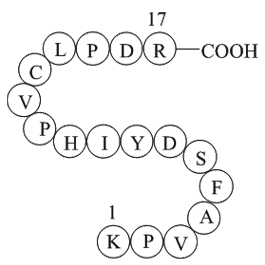
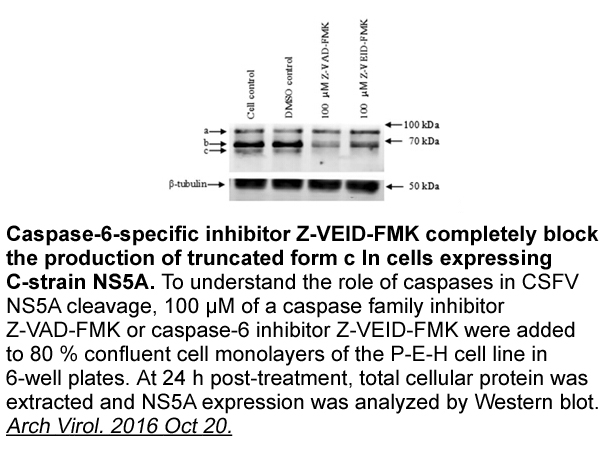
Egypt has the highest prevalence of HCV worldwide with almost 20% of the population being infected. The HCV subtype 4a belonging to genotype 4 (HCV-4) is the most common genotype in Egypt [25], [26], [27], [28]. The sequence of the NS5A/NS5B junction for the Egyptian genotype 4 is Glu-Asp-Val-Val-Cy
-
Here we used Drosophila and
2021-12-14
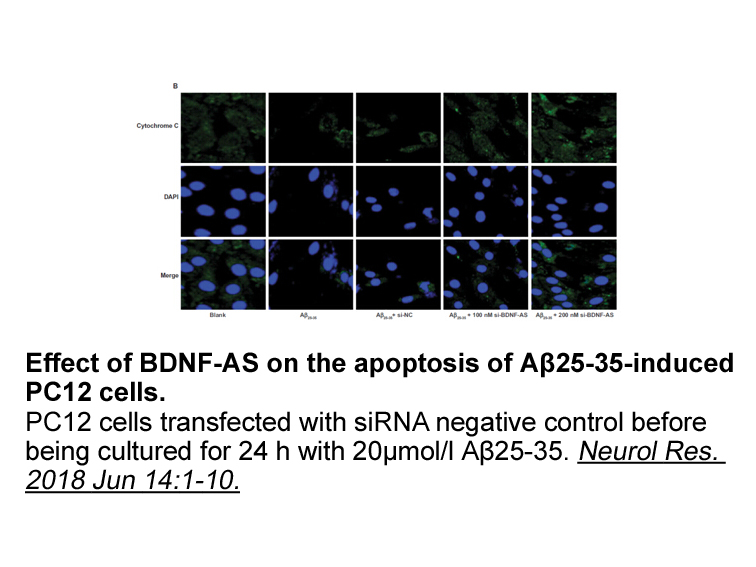
Here, we used Drosophila and mouse models to address the biological function of RALs in the adult intestine. Our results demonstrate a conserved in vivo role for RALs in ISC function during tissue homeostasis and regeneration. ISCs lacking RALs were at a disadvantage compared to wild-type neighbors.
-
Naringin Electrostatic potential along with measurement and
2021-12-14
Electrostatic potential along with measurement and modeling of corresponding energies is vital for inferring protein properties, lone or complexed with ligands. DelPhi was used for solving Poisson Boltzmann equation, obtaining grid, total reaction and coulombic energies after solvating the proteins
-
In addition during the preparation of this manuscript Oka et
2021-12-14
In addition, during the preparation of this manuscript, Oka et al. [7] demonstrated that LPA acts as receptor ligand for GPR35 and that LPA is more potent than KYNA in eliciting a calcium mobilization (EC50: 30nM vs. 39μM for LPA and KYNA, respectively). Other endogenous GPR35 ligands, therefore, mi
-
1295 Typically upon chronic agonist exposure GPCRs undergo d
2021-12-14
Typically, upon chronic agonist exposure GPCRs undergo desensitization and internalization resulting in a loss of receptor responsiveness over time (Drake et al., 2006, Kelly et al., 2008). However, not all GPCR systems conform to this model of acute agonist-mediated regulation. Some receptors have
-
Introduction The hypoglossal nucleus is the nucleus
2021-12-14
Introduction The hypoglossal nucleus is the nucleus of the twelfth cranial nerve and is located on both sides of the mid line in the dorsal medulla oblongata and is situated between the proximal end of the medullary central canal and the beginning of the fourth ventricle (Tomasch and Etemadi, 1962)
-
Ironically another series of studies
2021-12-14

Ironically, another series of studies examining the role of EAATs in CNS injury and disease suggest that under some pathological conditions, the operation of the EAATs is not protective, but actually contributes to the excitotoxic process (Rossi et al., 2000). The transporters do so by serving as th
-
JNJ-26481585 The role for noggin in
2021-12-14
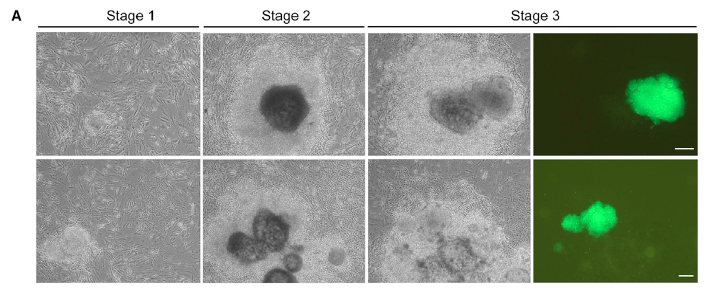
The role for noggin in telencephalic development and also adult neural stem cell expansion and differentiation has been debated, and noggin has been suggested to exert diverse effects in these events (Bachiller et al., 2000, Bonaguidi et al., 2008, Colak et al., 2008; de Chevigny et al., 2008, Li et
-
kn to nm The NVC response in the diseased or aging brain
2021-12-14
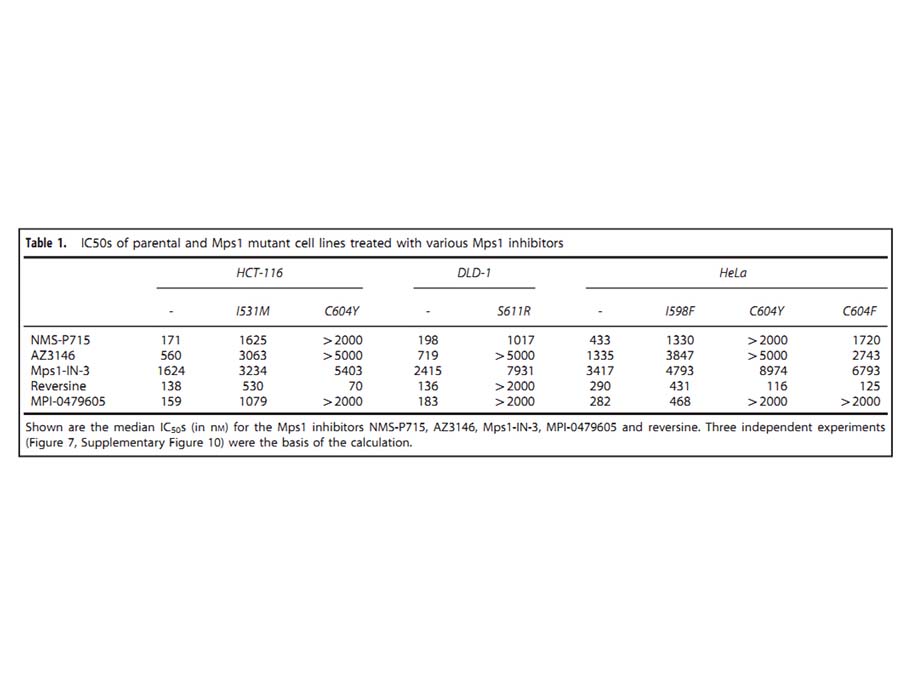
The NVC response in the diseased or aging kn to nm may be altered, including changes in both the chemical mediators of NVC, ion channel behaviour, and the dynamics of the vascular system. For example, in Alzheimer’s disease the production of NO is shown to be inhibited (Lourenço et al., 2014), hype
16477 records 580/1099 page Previous Next First page 上5页 576577578579580 下5页 Last page